
How Much Are House Valuations? + Cost Calculator!

Whether you’re selling, buying, divorcing, dealing with probate, or simply planning your next move, understanding how much house valuations cost in the UK is essential. In this guide, we explain typical valuation fees across regions, why prices differ, how costs have changed over time, and even give you a House Valuation Cost Calculator to get an instant quote!

House valuations in the UK typically cost between £250 and £900+, depending on the valuation type, property value, and location. London and the South East are more expensive due to higher property values and market complexity, while other regions tend to cost less.

Below, we break down house valuation costs by valuation type, UK region, and property value, explain why prices vary, and show how to get an instant quote using our valuation calculator.

What Is a House Valuation?

A house valuation is a professional assessment of a property’s market value at a specific point in time, carried out by a RICS-accredited surveyor. Unlike a basic estate agent’s estimate, a qualified valuation provides an objective and defensible market value figure that can be used for legal, financial, and transactional purposes.

A house valuation might be required for:

Find out more about what’s included in our formal valuation reports on our Property Valuations page.

Typical House Valuation Costs in The UK

Valuation fees depend on several factors, including property value, location, and purpose of the valuation. According to RICS cost guidance for 2025, independent valuations generally range from £250 to £1,500+, depending on depth and complexity.

Valuation TypeTypical UK Cost RangeWhat It’s Used For
RICS Property Valuation£300 – £600Independent market valuations for buying, selling, or legal purposes
Capital Gains Tax Valuation£350 – £800Calculating CGT when selling a second home or investment property
Insurance Reinstatement Cost Assessment£250 – £500Determining rebuild cost for insurance purposes
Probate Valuation£300 – £800Establishing property value at the date of death
Inheritance Tax Valuation£350 – £900+HMRC-compliant valuations for IHT calculations
Shared Ownership / Help to Buy Valuation£200 – £400Required for staircasing, resale, or scheme compliance
Lease Extension Valuation£600 – £1,500+Calculating the premium payable for extending a lease

*Note: Properties in London and the South East often fall into the higher end of these price ranges due to increased property values, market complexity, and professional liability considerations.

House Valuation Costs by Region

Valuation fees vary across the UK based on demand, property prices, and surveyor operating costs. For example, areas with higher house prices often require more time and market expertise, leading to higher fees.

RegionEstimated Valuation CostNotes
London£400 – £900+The highest costs are due to premium property values
South East£350 – £750Close to London pricing
East of England£320 – £700Moderate costs
Midlands£300 – £650Around the national average
North West / North East£250 – £550Lower property value regions
Wales / Scotland / NI£240 – £520Generally lower costs

Why London & South East Valuations Cost More

London and the South East of England typically command a higher valuation fee because of:

  • Higher property values and insurance liabilities
  • Greater diversity of property types
  • Higher cost of living and business expenses
  • More complex local markets

As a result, a standard valuation in central or inner London can cost 30 – 40% above the national average.

House Valuation Costs by Property Value

Costs also scale with property value, with larger and more expensive homes taking longer to inspect and report on.

Property ValueEstimated Valuation Cost
Up to £150,000£250 – £350
£150,000 – £300,000£300 – £450
£300,000 – £500,000£350 – £600
£500,000 – £1,000,000£500 – £900
Over £1,000,000£900+

How Valuation Costs Have Changed Over Time

House prices and professional fees have both increased over recent years. With average UK house prices hitting record levels, valuers have seen higher liability and operational costs, which incrementally affect the fees.

YearTypical Independent Valuation Cost (UK Average)
2018£250 – £400
2021£280 – £450
2023£300 – £500
2025£350 – £600+

Our House Valuation Cost Calculator: Get an Instant Quote

Want an exact price for your house valuation in London and the South East of England? Use our house valuation cost calculator below to get an instant quote based on your property type.

Who Pays for House Valuations?

Valuation costs are typically paid for by the party requiring the valuation:

  • Homeowners/sellers usually pay for valuations for legal, tax, or sale purposes
  • Buyers may pay for an independent valuation to confirm the value
  • Mortgage lenders pay for their own lender valuation as part of mortgage costs (not a substitute for independent valuations)

Formal valuations must be performed by a RICS surveyor to ensure legal acceptability.

Why Choose Crest Surveyors?

At Crest Surveyors, our RICS-accredited team provides professional, reliable valuations that are tailored to your needs, including:

Explore our services on our Property Valuations page, or get in touch for an exact quote.
How Much Does a Probate Valuation Cost​?

When someone passes away, one of the first steps in managing their estate will be determining how much their property is worth. This process, known as probate valuation, is essential for accurate inheritance tax, estate distribution, and accurate record keeping.

But how much does a probate valuation cost?

A probate valuation in the UK typically costs between £300 and £800, depending on the property’s size, location, and value. In London and the South East, prices can reach £900+ due to higher property values and complexity. Fees are usually paid from the estate’s funds.

Below, we’ll break down the average probate valuation costs for the UK and explain the regional price difference and how much you’ll expect to pay in your region. You can even get an instant quote from our online probate valuation cost calculator!

Article Contents

What Is a Probate Valuation?

A probate valuation is an official assessment of a property’s market value at the date of death. It must be conducted by a qualified professional, such as a RICS-registered surveyor, to ensure accuracy and compliance with HMRC standards.

These are required for estates worth over £325,000, but can be a smart choice for properties that fall below this range to ensure that you’re paying the correct tax. Find out more about this here.

At Crest Surveyors, our probate valuations are carried out by experienced RICS chartered surveyors who understand both market fluctuations and the sensitivity required in these situations.

“A professional valuation gives families and executors peace of mind, ensuring the estate is handled fairly and transparently.”

  • Thomas Awoleye MSc Eng, MRICS, C.Build E MCABE

Average Probate Valuation Costs

The cost of a probate valuation will depend on the property’s location, type, and value. Across the UK, fees will usually range from £300 to £800, but can be much higher in London or with high-value estates.

Property ValueAverage Probate Valuation Cost (UK)
Up to £250,000£300 – £400
£250,000 – £500,000£400 – £600
£500,000 – £1 million£600 – £850
Over £1 millionFrom £850+ (bespoke quotation)

Regional Probate Valuation Costs

Property prices, and therefore valuation costs, can vary significantly across the UK. Here’s a rough guide of what you should expect to pay in each area:

RegionAverage Probate Valuation CostNotes
London£450 – £900+Higher due to property values and complexity
South East£400 – £800Often close to London pricing
East of England£350 – £700Cambridge, Essex, and Hertfordshire areas
Midlands£300 – £600Average national rates
North West / North East£250 – £500Lower cost of living and property prices
Scotland / Wales£300 – £600Moderate variation depending on the urban area

“Probate valuations in London and the South East tend to be slightly higher than national averages, simply because property values and the level of detail they require are much greater.”

  • Thomas Awoleye, Crest Surveyors
A top-down image of a usual suburban neighborhood.

Probate Valuation Cost Calculator

Get an instant estimate with no personal details required!

Use our probate valuation cost calculator to receive an instant quote for our London and the Home Counties probate valuations in under a minute. Simply enter a few questions about your house value and size to get an estimate!

Who Pays for a Probate Valuation?

In most cases, the executor or administrator of the estate arranges and pays for the valuation using estate funds.

If the property is jointly owned, or if a beneficiary requests an independent valuation, costs can sometimes be shared or reimbursed through the estate later in the process.

Key Points:

  • The valuation is considered an estate expense, not a personal one.
  • Fees are usually paid before probate is granted, and later recovered from the estate.
  • For complex estates, multiple valuations may be required (e.g. if HMRC challenges the figure).

For more information on multiple valuations, read our guide on how many house valuations you need for probate.

Why Choose Crest Surveyors for Probate Valuations?

  • RICS-Accredited Experts – Our valuations meet HMRC and RICS Red Book standards.
  • Local Market Insight – We understand regional property trends, especially across London, Cambridge, and the South East.
  • Discreet, Professional Service – We work sensitively during what can be a difficult time.
  • Fast Turnaround – Reports are typically delivered within 3-5 working days.

“Accuracy matters most in probate. An undervalued or overvalued property can lead to delays, disputes, or unnecessary tax liabilities.”

  • Thomas Awoleye, Crest Surveyors

For more information on the impact of incorrect probate valuations, see: What happens if a house is sold for more than probate value?

Get a Probate Valuation Quote Today

If you need an accurate, RICS-approved probate valuation, Crest Surveyors can help. We provide transparent pricing, professional guidance, and support at every stage of the probate process.

Contact us today or use our probate valuation cost calculator for a quick estimate.

What Is a RICS Valuation? Everything You Need to Know

When buying or selling property, especially when a mortgage is involved, understanding its true value is essential. This is often where a RICS valuation is required as an accurate, independent assessment of a property’s worth.

A RICS valuation is a professional assessment of a property’s value. It’s conducted by a RICS-registered surveyor and used for mortgages, financial planning or property transactions to ensure sound investment decisions.

But what exactly does a RICS valuation involve? How long does it take? And how much does it cost? If your valuation expires, what happens next? Read on to discover everything you need to know about RICS valuations, whether you need a survey, what to expect from the process, and when a valuation is legally required.

A row of suburban houses

What Is a RICS Valuation?

A RICS valuation is a detailed and independent assessment of a property’s value. RICS-registered surveyors will conduct the valuation in accordance with RICS Red Book guidelines. These guidelines cover things such as the property’s size, condition and location. 

Importantly, there is no conflict of interest because RICS surveyors don’t earn commission from their valuation. As such, a RICS valuation is required by lenders prior to mortgage approval. They can also be required to determine the appropriate level of insurance for a property.

When Do You Need a RICS Valuation?

The most common reason for a RICS valuation is that it’s required by a mortgage provider. Independent assessments of value are used by banks to make sound investment decisions. But this isn’t the only case you might need a RICS valuation. Scenarios where you might need the opinion of a surveyor include:

  • Inheritance Tax Valuations – HMRC requires a professional valuation to assess an estate’s total worth for inheritance tax purposes.
  • Capital Gains Tax Purposes – When selling property that has increased in value, a RICS valuation may be needed to calculate capital gains tax owed.
  • Divorce and Legal Settlements – A RICS valuation is often needed to divide property assets fairly. 
  • Business Valuations – For businesses that own property, a RICS valuation is required for accounting, auditing or tax purposes.
  • Development and Planning Applications – A RICS valuation can provide a reliable assessment of the property’s worth and future value.
A small cobbled street with bushes and a row of terraced houses.

What Does a RICS Valuation Involve?

A RICS valuation involves a thorough assessment of a property’s value, as judged according to a RICS surveyor’s extensive training and experience. As such, it covers several key areas:

Construction and Condition

A property’s physical condition is a big part of its valuation. After all, a property needing major repairs is worth a lot less to prospective buyers. Surveyors look at how well the property was built and maintained. Modern, energy-saving features could also result in a higher valuation.

Location & Amenities

When it comes to buying a property, location is (nearly) everything. This is often a case of how close it is to local schools and public transportation. General trends in an area’s desirability can also be a factor in the valuation—if more people want to live in an area, the demand for housing increases.

Comparable Sales Data

Surveyors will also use comparative sales data to arrive at their valuation. This aspect of valuation involves checking the prices of recently sold homes to judge where a property falls within the overall market.

Economic Conditions

The broader economic climate plays a key role in RICS valuations. If conditions are unfavourable—including high interest rates, inflation or economic uncertainty—valuations decline with demand. Conversely, during periods of growth and high consumer confidence, there is often an increased demand for property. A RICS valuation captures these market trends to provide an accurate assessment of value.

Environmental Factors

The surrounding environment also plays a crucial role in determining property value. When providing a RICS valuation, surveyors will weigh up zoning regulations, green spaces, infrastructure, as well as general environmental risks—such as flooding—to reach their conclusion.

How Long Does a RICS Property Valuation Take?

For most residential properties, a RICS valuation takes less than a couple of hours to complete, depending on the size of the property. This process involves a thorough inspection of the house and its immediate surroundings. The resulting report will be delivered within a few working days.

Some buyers may opt for a more detailed RICS valuation, in which case it will take longer to conduct and deliver. In-depth surveys are typically required for older houses or those built with unconventional materials.

How Much Does a RICS Property Valuation Cost?

A RICS valuation varies according to property type, size, location and the complexity of the valuation. At Crest Chartered Surveyors, our RICS valuation prices start from:

  • £349 for up to a 2-bed property
  • £369 for a 3-bed property
  • £399 for a 4-bed property
  • £449 for a 5-bed property

All prices are inclusive of VAT.

For a more precise estimate, you can always use our house survey cost calculator.

Two people working on a laptop

What Happens if My RICS Valuation Expires?

A RICS property valuation is typically valid for three months from the report’s date. That said, factors like market and property conditions, as well as local regulations, can impact a report’s validity. If your RICS valuation expires before you can complete a transaction, you’ll need a new one. 

In some cases, a new report can be a simple “desktop valuation” that extends the original valuation by another three months. Importantly, a desktop valuation must be issued by the same RICS surveyor, on the company’s headed paper, and provided in a non-editable format.

Get Your Valuation from a RICS-Registered Surveyor

In summary, a RICS valuation is an accurate and detailed assessment of a property’s worth. They help to ensure compliance in a wide variety of financial and legal scenarios. Whether you’re applying for a mortgage, settling a legal matter, or evaluating your tax liability, a RICS surveyor can help you get the valuation you need.

At Crest Chartered Surveyors, we offer a wide range of RICS surveys and valuations in London and the surrounding areas. Our experienced team will help you choose the right survey for your needs before conducting a thorough valuation. Contact us today for expert advice.

If you’re keen to learn more about our services, explore our latest blog posts for insights on property valuations: 

What Happens if a House Is Sold for More Than Probate Value?

Dealing with the probate process can be highly stressful. Often you’re dealing with the loss of a loved one while also trying to navigate confusing estate and property valuations. If an inherited property ends up selling for more than the probate valuation, this only adds to your stress. So, what happens if a house sells for a higher price than the probate valuation?


If a property is sold during probate for more than the probate valuation, HMRC might question the accuracy of the initial valuation and request a RICS valuation of the property. If HMRC decides to increase the probate valuation, more inheritance tax will need to be paid. The executors of the will can also amend the probate valuation, which can result in a higher inheritance tax.


Read on to learn more about the potential tax implications if a house sells for a higher price than its probate valuation.

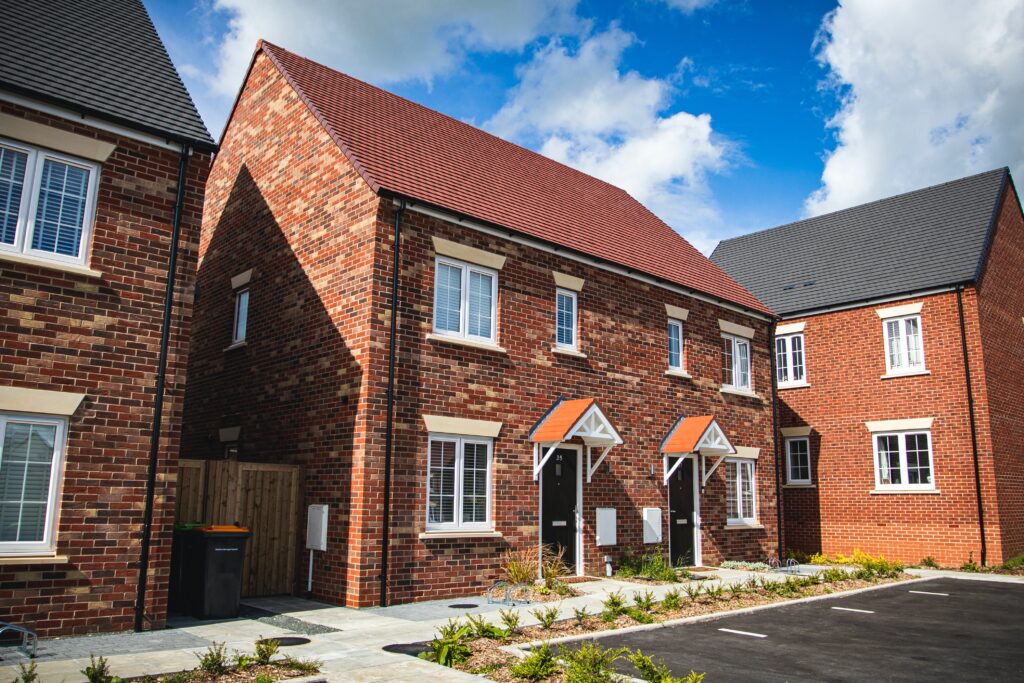
new build property semi detatched

What if a House Sells for More Than the Probate Valuation?

The probate value of a house is assessed at the time of the homeowner’s death and is used to calculate whether inheritance tax is owed and how much needs to be paid. If the property is later sold at a higher price than the probate value, HM Revenue and Customs (HMRC) can question the accuracy of the initial valuation. 


The initial valuation is more likely to be questioned if there is a significant difference in price between the probate value and the sale price, and the property was sold shortly after the valuation. The executors of the will may need to justify the original valuation or provide evidence that supports why the sale price was higher than the valuation. If HMRC finds this insufficient, the probate value might be updated to reflect the sale price, which means more inheritance tax could be owed.  This can often be avoided if the house valuation is completed by a trusted RICS-registered surveyor.


If a property sells for more than the probate valuation, but the sale price is less than the inheritance tax threshold, this typically will not lead to intervention from HMRC.

Can You Amend the Probate Value?

If the sale of an inherited property suggests that the probate value was underestimated, the executors of the will can amend the estate valuation. Executors can have the property valued by a RICS-registered surveyor to ensure it’s accurate or use the sale price as a basis to adjust the probate valuation. 

The amendment process typically involves submitting a formal request to HMRC with supporting evidence, such as the new professional probate valuation or evidence of the sale price. You will need to submit a form (C4 Corrective Account or C4(S) Corrective Inventory) to HMRC along with supporting documentation, such as new valuation reports or evidence of sale prices. 

Amending the probate valuation can have implications on both Inheritance and Capital Gains Tax calculations. For example, increasing the probate valuation to the sale price of the property would mean you are not liable for Capital Gains Tax (as there has been no increase in property value from the time of death to the time of sale). However, it could mean you are liable to pay more Inheritance Tax than previously calculated (provided the updated probate valuation is above the Inheritance Tax threshold). 

Do You Have to Pay Capital Gains Tax if the Property Sells for Above the Probate Value?

If a property is sold during probate and the sale price is higher than the probate value, there will usually be Capital Gains Tax to pay. This needs to be reported and paid to HMRC within 60 days of the sale completion date. CGT will also need to be paid if the property is sold for a higher price at a later date (provided it is not the beneficiary’s main residence). 

If the inherited property is transferred directly to the beneficiary, there will be no CGT to pay. CGT will only apply if the property is sold at a later date and it is not the main residence of the beneficiary.

Accurate House Valuations for Probates in Greater London and South East England

If an inherited property sells for more than the probate valuation, this can mean you need to pay more inheritance tax and HMRC may question the accuracy of your probate valuation. The best way to avoid this unnecessary stress and the potential expense of paying for a second valuation is to get the property valued by a RICS-registered surveyor.

The team at Crest Surveyors are all RICS Registered, so you can ensure that the property will be valued accurately and the figure will be upheld by HMRC should any issues arise. Our comprehensive probate valuation service is the best way to make the probate process as straightforward as possible. We’ll work closely with you to guide you through all formalities and stages during this difficult time. 

Our House Valuations for Probate prices start from £500, inclusive of VAT, and include:

  • A written report detailing the condition of the property 
  • An accurate valuation of the property 
  • Photographic evidence 

Get in contact with one of our team members to receive a quote on any valuations needed for probate-related enquiries.

Kitchen with dining table

Probate House Valuations FAQs

What Happens if a House Sells for Less Than Probate Value​?

If a property sells for less than its probate valuation, beneficiaries might be entitled to a refund for any inheritance tax overpayment. However, this refund can only be claimed within four years of the date of death and is not always guaranteed. 

Read our blog, ‘Can a House be Sold for Less Than Probate Value?’, to learn more.

What Happens if a Probate Valuation Is Wrong?

If an estate is incorrectly valued during probate, this can have implications for the amount of inheritance tax that needs to be paid. If HMRC believes a house probate valuation to be too low, they will investigate through their District Valuer Service and will likely ask for additional evidence or justification for the valuation. If the probate valuation was not completed by a RICS-registered surveyor, the HMRC might dispute the valuation and request a second official RICS valuation. If HMRC believes that a probate or any other part of the estate has been deliberately undervalued, it can impose additional financial penalties.

How Accurate Does a Probate Valuation Need to Be?

A probate valuation needs to be as accurate as possible to avoid potential financial penalties from HMRC and the hassle of paying additional inheritance tax if the initial valuation is found to be too low. It’s best to use a professional RICS-qualified surveyor to ensure an accurate valuation and make the probate process as straightforward as possible. 

Read more about official house valuations in our blog, ‘Do I Need an Official House Valuation for Probate in the UK?’.

Do Estate Agents Charge for Probate Valuations​?

Probate can often be a difficult and confusing time, especially when dealing with the deceased’s estate. Estate agents offer an easy solution for valuing the estate’s property, but do estate agents charge and can you use this for probate?

Estate agents generally do not charge for an informal probate valuation. However, an estate agent’s valuation is an estimate based on similar sales of properties in the area. For probate, it’s best to get a professional valuation from an RICS Surveyor so that it can be accepted by HMRC.

Read on to find out more about why estate agents provide free valuations, when they can be used for probate, and more.

Do Estate Agents Do Free Valuations for Probate?

Estate agents will generally not charge a fee to complete an informal probate valuation, particularly if you’re paying for the agency’s services. You can talk to most estate agents for free and get a general idea of the market value of the property.

However, some estate agents will charge a small fee, usually a percentage of the property’s value. This is usually below 1% of the market value.

Can I Use an Estate Agent Probate Valuation for Probate?

The valuation that an estate agent is able to provide is informal and usually provided by comparing similar properties that have been sold in the area. This is normally completed without visiting the property and accuracy can vary as a result.

This can be used to get a general idea of the property’s market value, which can be used for probate in cases where the overall value of the entire estate is below £250,000. For estates worth more than this amount, you will need to gain a specialist valuation from an RICS-registered Surveyor.

In cases where the property is worth over £250,000, a surveyor will come to the property and complete an in-depth, accurate valuation of the property that HRMC can accept to calculate inheritance tax.

Even if the estate is valued below the £250,000 threshold, you may want to get a more accurate valuation from a surveyor to ensure that you can prove that the valuation of the property is accurate. This can help you avoid any tax issues in future.

For more guidance on whether you should get a professional valuation for probate, read our blog: Do I Need an Official House Valuation for Probate in the UK?

Why Do Estate Agents Offer Free Valuations?

Free valuations are a big part of an estate agent’s marketing funnel. Most people will get around 3 valuations from different estate agents, but the vast majority of those will end up selling with one of the agents that gave them a valuation.

This means that estate agents can spend a small amount of time creating an informal valuation for around 10-25% of them turning into house sales (and commission).

One concern for the homeowner here is that some estate agents might inflate the property’s value to get the owner excited about selling and influence them to choose that agency. For probate valuations, this can cause a big issue since tax is involved.

For information on how much a specialist valuation will cost, you can use our House Survey Cost Calculator.

And aerial image of the Thames River.

RICS-Registered Surveyors In London & The Home Counties

Crest Surveyors are trusted RICS Surveyors that provide a range of survey and valuation services, including Property Probate Valuations. We cover a large area spanning London, the Home Counties, and the South East of England.

Our expert surveyors will provide you with an accurate probate valuation that can be submitted to HMRC as part of probate. We don’t use any technical jargon in our reports and will ensure that you understand every aspect, setting you up for an easier probate process during an often difficult time.

Get in touch with a member of our team to discuss your requirements today.

How Many House Valuations Do I Need for Probate?

After someone dies, probate is required in most scenarios. This refers to the legal process of dealing with a deceased person’s estate, including any property. The first step of probate is to value the estate to determine whether inheritance tax is due, which requires a house valuation. So, how many house valuations are needed for probate?

The number of property valuations required for probate will depend on whether you choose an estate agent valuation or an RICS-registered surveyor valuation. If you choose an estate agent valuation, these can be fairly inaccurate so it’s best to have three completed and take an average. However, because a RICS probate valuation is so accurate and highly regarded, only one is required. 

Read on to learn more about the different types of house valuations for probate, which is the best option and the other required valuations.

Jump to section:

How Many House Valuations for Probate?

The number of house valuations you need for probate will depend on the type of valuation you get and who carries it out.

Estate Agent Valuations

One way to get your house valued for probate is through an estate agent. Most estate agents will offer free property valuations in the hope that you will use them if you decide to sell the property. Because estate agent valuations are often inaccurate, it’s best to get multiple valuations from different agents (at least three) and average the results. 

However, using an estate agent’s valuation is not generally recommended for probate, especially for larger estates. This is because estate agents will provide you with the market value (the sale price an estate agent would hope to achieve based on similar properties in the area), rather than the probate value (a realistic valuation based on the property being offered on the open market at the time of death based on HMRC guidelines). Read more about the difference between these two types of valuations in our blog, ’What Is the Difference Between Market Value and Probate Value?’.

The only way to get an accurate probate valuation is to use a RICS-registered surveyor.

RICS-registered Surveyor Valuation

Also known as a Red Book valuation, a valuation from the Royal Institution of Chartered Surveyors (RICS) is the best option for probate. Because RICS valuations are much more accurate than estate agent valuations, you only need one. RICS-registered surveyors have an in-depth knowledge of the property and years of training and experience.

Which House Valuation Is Best for Probate?

According to HMRC’s official guidance, a professional probate valuation from a chartered surveyor is required for estates worth over £325,000. For estates worth less than £325,000 (or estates that are being passed in their entirety to a spouse or civil partner), an informal valuation from an estate agent may suffice. 

However, an RICS-accredited valuation is still recommended for all probate estates because it is the most accurate.

Why Is It Important to Provide an Accurate Valuation for Probate?

The value of an estate (including property) determines how much inheritance tax is owed and needs to be paid to HMRC. An inaccurate property valuation can lead to penalties from HMRC.

All property valuations for probate can be subject to examination by the District Valuer Services (DVS) of HMRC to ensure they are accurate. If the DVS feel that a valuation is not correct, they can challenge the valuation and request evidence. HMRC can impose financial penalties if they feel that the probate administrators have been ‘negligent’ in their valuation of the property. Using an accurate RICS-registered probate valuation is the best way to avoid this.

A small cobbled street with bushes and a row of terraced houses.

How Many Valuations for Probate in Total?

The probate valuation of an estate should include everything the person owned at the time of their death, minus any debts. So in addition to a property valuation, you will also need to value other assets, including:

  • Land.
  • Personal possessions, such as cars, antiques, art and jewellery.
  • Savings and investments, including money in bank accounts, stocks and shares, and bonds. 
  • Insurance policies and pensions.

Do I Need Professional Valuations for Other Assets?

The majority of other assets will not require a professional valuation. For example, free online valuations for cars are easy to obtain. According to HRMC, you only need to consider a professional valuation for single items worth over £1,500. 

For unusual or high-value items, such as rare artwork or valuable jewellery, it is best to get a professional valuation from a specialist. 

Each of these will need to be valued by a relevant expert and you won’t be able to get all of them in one place. For a property probate valuation, you can visit our Probate Valuations page for more information.

House Probate Valuations in London and the South-East

At Crest Surveyors, we understand how confusing, time-consuming and challenging the probate process can be, especially when also dealing with the loss of a loved one. We offer professional RICS-accredited valuations to ensure the property is accurately valued and avoid any unnecessary issues with the inheritance tax process. 

All our probate valuations are completed by our experienced team of RICS-Registered Surveyors. We will work with you to guide you through the process during this difficult time. Our house valuation for probate prices starts from £450, including VAT.

Get in contact with one of our team members to receive a probate valuation quote or for more information about what is included in our service.

The door of a house with a bike outside

Probate House Valuations FAQs

What is a Probate Valuation?

A probate valuation is a calculation of the value of a person’s assets at the time of their death. This includes property, savings, investments and personal possessions. The probate valuation is used to determine whether an estate is liable for inheritance tax and how much is owed to HMRC. Read our blog, ‘What is a Probate Valuation?’, to learn more.

Do I Need an Official House Valuation for Probate?

Yes, an official house valuation is required for probate and inheritance tax purposes. Ideally, this should be completed by a RICS-registered surveyor to ensure it is accurate. The only exception is an estate is being passed to a spouse or civil partner in its entirety in which case there is no inheritance tax to pay. Our blog, ‘Do I Need an Official House Valuation for Probate?’, has more in-depth information.

What Is the Minimum Estate Value for Which Probate Is Needed?

Probate is not required for very small estates worth under £5,000 with no property. The other scenario when probate will not be required is when an estate is passed to a surviving spouse or civil partner.

Do Estate Agents Give Accurate Valuations for Probate?

No, most estate agents will not provide you with an accurate valuation for probate. They can provide an option on a property’s worth based on similar properties in the area, but they can not provide an accurate formal valuation. Some estate agents may inflate the value of a property and provide you with an ‘asking price’ rather than the open market value (OMV).

A formal probate valuation undertaken by a RICS-registered chartered surveyor is the best option to ensure the probate process goes smoothly.

Should You Get Your House Valued by More Than One Estate Agent?

Yes, whether you are getting a property valued for probate or another reason, it’s best to get two or ideally three different valuations if you’re choosing to go to an estate agent. You can then take an average of these three valuations. This is necessary as estate agent’s valuations are not as accurate as formal property valuations carried out by chartered surveyors.

What Is a Probate Valuation?

Probate is often a stressful and emotionally taxing time for many, and it can seem convoluted to those that are going through it for the first time. We’ve created this easy guide to help you understand the world of probate valuations. So, what is a probate valuation?

A probate valuation is a way of analysing the value of a person’s assets when they die. This is calculated using the value on the date of the owner’s death. While all of the individual’s assets might need to be assessed, a property valuation for probate only focuses on the value of the property itself.

Read on to find out more about probate valuations, how they work, if you need a RICS valuation, how much it costs, and more.

Jump to section:

What Is a Probate Valuation?

The probate valuation of a property is a system of analysing the value of a person’s owner assets when they pass away. Due to recent changes to inheritance tax thresholds, this is an important task in the bereavement process.

The value of their property and possessions is assessed and calculated based on the date of their owner’s death, using a realistic selling price on the open market. In the case of the probate valuation of a property, this should be completed by RICS chartered surveyors to ensure that HMRC will accept the valuation if inheritance tax becomes an issue. Currently, any assets of £325,000 or less will not be required to pay inheritance tax, but if the estate falls above this threshold then 40% of the value will be deducted for tax.

How Do Probate Valuations Work?

For the general items and possessions of most people, you’ll be able to assess the price yourself by comparing the item with similar items that are being sold online. Start by making a list of each item they owned, before searching for the same item online and comparing the price.

For the property valuation, a RICS surveyor will assess the overall value of the property to calculate the market value of the property at the time of death. This will provide a reasonable price of what the property will likely sell for.

For any antiques or one of a kind items, such as pieces of art, it’s best to get in touch with a professional valuation expert in that field to get an accurate estimate.

What Is Included in a Probate Valuation?

Generally, all of the individual’s assets will need to be accounted for, including removing any outstanding debts. However, this will need multiple valuations depending on the assets that are being assessed. A property valuation for probate will only deal with the value of the property itself and other valuations are needed for possessions and other assets.

The probate valuation of the property will also take into account what houses are selling for in the area at the time of death.

Do I Need a RICS Valuation for Probate?

There are several reasons why you might need to gain a valuation of an estate for probate. These include:

  • Where the value of the estate is needed to make the probate application.
  • To find out if inheritance tax needs to be paid (depending on the overall value).
  • To calculate the capital gains tax on any individual items that have increased in value since the date of death.
  • To pay off all debts held by the estate and ensure that funds are correctly distributed to the beneficiaries.

During the probate process, you should prioritise the valuations process as this will need to be completed to proceed with the next steps. You won’t be able to obtain a grant of probate until you have completed the inheritance tax forms, which require the valuation of the estate to complete.

For more information, read our guide, do I need an official house valuation for probate?

How Much Does a Probate Valuation Cost?

A property valuation for probate from Crest Surveyors starts from £500 including VAT. While this may seem like a lot at first glance, ensuring that the property is correctly valued is essential to avoid any unnecessary taxes and get a good price on the sale. This means that a probate valuation could actually save you money in the long run!

What Is the Difference Between Insurance Valuation and Probate Valuation?

While a probate valuation is conducted after the passing of the estate owner and values the estate based on the realistic market value of the item or property, an insurance valuation is very different.

This will assess the replacement cost of an item or property, i.e. how much it would cost to completely replace it. The insurance valuator will assess the entire property and all of its contents, similar to a probate valuation, but the overall valuation will be much larger. It is done in this way because if the property burned down, the insurance would cover replacing the entire thing and all of its contents. The cost of doing so would not match the cost of selling the property, as they would have to buy it new and pay for all the labour costs.

For more information on insurance valuations, visit our insurance reinstatement cost assessments page.

RICS Property Valuations for Probate With Crest Surveyors

At Crest Surveyors, all of our valuers and surveyors are RICS certified and it’s our mission to provide great value and a professional service. Our property valuations for probate are created with you in mind, giving you the best valuation possible so that you can be confident of your capital gains or inheritance tax payments.

By going through a trusted RICS surveyor you’ll also be more likely to be accepted by HMRC, making the process a lot smoother and easier. Get in touch with a member of our friendly team or visit our house valuation for a probate page.

Probate Valuation FAQs

How Long Does a Property Valuation for Probate Take?

Usually, a property probate valuation will take anywhere from 30 minutes to two hours. This will depend on the size of property and any unique circumstances or particularities that might be within the property. Once the valuation is complete, the report will be delivered within 6 working days of the valuation.

Is a Probate Valuation Lower Than Market Value?

No, probate valuations are not generally lower than market value. The probate property valuation is simply the value of the property at the time of death, due to the volatility of the housing market, this can rise or fall between probate and sale. This will usually be a minor difference or almost no difference at all.

For more information, read our blog on the difference between market value and probate value.

How Much Does an Estate Have to Be Worth to Go to Probate?

The value of the estate is not a defining factor for whether or not it needs to go through probate. Instead, this depends on a number of factors such as the type of assets in the estate and whether the deceased person left a valid will.

For a general rule of thumb, if the person that passed away owned property or land then the estate will need to go through probate regardless. If you’re unsure, it’s always best to check with a solicitor to ensure that you’re covered.

What to Do if Property Sells for More Than Probate Valuation?

If a property is sold at a higher value than it was originally valued for probate at the date of death, this could result in being charged capital gains tax. Capital Gains Tax is the tax on profit when you sell an asset that has increased in value. This taxes the amount you gain, and not the actual amount of money you receive in total.

Can a House be Sold for Less Than Probate Value?

house with for sale sign


If you’ve recently lost a loved one, you may be dealing with a number of confusing legal and financial situations. One such situation may be the valuation and selling of their property. In this blog we aim to lessen the confusion and provide you with everything you need to know about probate and what happens if you sell the property for more or less than probate value. We’ll also explain whether or not you need probate in the first place.

So, can a house be sold for less than probate value? Yes, a house can be sold for less than probate value. In these circumstances, a refund in any overpayments of inheritance tax may be granted. If a house is sold for more than probate value, HMRC may get involved and issue higher inheritance taxes or capital gains tax.

Read on to learn more about  valuing a house for probate and what happens if a property is sold for more or less than probative value.


What happens if a house sells for less than probate value?

Properties sold for less than their probative value may be entitled to a refund in any inheritance tax overpayment. However, this is not guaranteed and can only be claimed if the property is sold within four years of the deceased’s passing. 

Currently, if a property is passed on to a direct descendant or a spouse (a child or grandchild), a nil-rate band applies. This means that inheritance up to the value of £500,000 can be passed down tax-free, or £1 million for a married couple. An additional residence nil-rate band may also apply to protect the family home from inheritance tax, up to £175,000.


What happens if you undervalue a property for probate?

If a property is undervalued for probate, HMRC can impose penalties and additional tax liabilities. It is important to ensure that probate valuations are reported accurately as any discrepancies are likely to be investigated.

If a professional valuer was used to determine probate value, the estate’s representatives or family will be protected from liability from such penalties. However, for the valuer, there are different levels of penalties depending on the inaccuracies of reporting:


      • If the error is due to lack of reasonable care, the penalty will be between 0% and 30% of the extra tax due;

      • If the error is deliberate, the penalty will be between 20% and 70% of the extra tax due;

      • If the error is deliberate and concealed, the penalty will be between 30% and 100% of the extra tax due.


    What happens if you sell a property for more than probate value?

    If, for whatever reason, the final sale price is higher than probate value the following can occur:


        • HMRC may increase the inheritance tax owed. This can be challenged via the District Valuer, but is often a time-consuming and stressful process.


      Can a house be sold without probate?

      You cannot sell a house without probate. You have no legal authorisation to sell a property until probate is granted, unless your name is already on the title deeds; for example, in the case of a spouse.

      You can go ahead and put the property up for sale and even accept offers before probate is granted, however, you cannot complete the sale until you receive probate. 

      Doing so may create a range of financial issues in relation to inheritance tax, probate fees, maintenance costs and more, all of which can be reclaimed from the cost of the estate upon sale.


      What’s the difference between probate value and market value?

      Generally speaking, probate value is the value of an estate as determined by HMRC guidelines. It typically includes everything the person owned at the time of their death, minus any debts owed. This will usually include their property(ies). Market value is the value that an asset may expect to sell for on the open market, i.e. by an estate agent. 

      Learn more about this in our detailed blog, What is the difference between market value and probate value?, where we go into more detail about each type of valuation and when they should be used.


      How to arrange a probate valuation

      It’s best to contact a specialist probate surveyor to ensure that the correct value of the property is determined. At Crest Surveyors, we understand that every property is different and unique. Calculating someone’s assets for probate may be confusing and overwhelming, especially if the property they owned is a large estate, a grade listed building, if they owned a business property alongside their commercial property, or more.

      To help you during this difficult process, Crest Surveyors are here to provide a thorough ‘Red Book’ valuation. This is a more formal and in-depth valuation that provides photographic evidence, a thorough written report, and a valuation that is as accurate as possible.

      Get in touch today for more information or to arrange a valuation.


      FAQs

      How does probate work?

      In relation to properties, a RICS chartered surveyor will calculate the value of the property in question to determine its market value – what it might reasonably sell for on the open market. Other areas of the deceased’s estate may require other specialist valuation methods. 

      How long does probate take?

      A probate valuation will usually take anywhere from 30 minutes to a couple of hours, depending on the size of the property and any particularities associated with the property. Crest Chartered Surveyors aims to deliver all valuation reports within 6 working days of valuation.

      Do you need probate if there is a will?

      You will need to apply for a Grant of Probate if you are an Executor named in the deceased’s will. This process ensures that Executors are the right people to deal with the deceased’s estate and  provides them with the legal right to deal with assets such as property, bank accounts and shares.

      What is the difference between market value and probate value?

      If you’ve recently lost a loved one, you may be dealing with confusing legal processes in order to sell their possessions, such as their property. To complete this you’ll need two different valuations: a probate valuation, and a market valuation. They both deal with similar aspects, but are in fact completely different surveys acquired for different reasons.

      So, what exactly is the difference between market value and probate value? A probate valuation is a survey completed by a chartered surveyor that determines the total worth of a property and accompanying assets used for inheritance tax reasons. A market valuation is conducted by an estate agent to determine the value of the property in comparison to similar properties that have recently been sold within the same region. 

      To help you learn more about what each survey is, and when you’ll need them, our trained experts have written this short guide. We understand that dealing with probate can be a difficult time, with many overwhelming aspects. To make this process smoother, it’s a good idea to learn more about what proceedings you’ll be going through. 

      Simply keep reading to learn more. 

      What is market value and how is it different from probate value?

      Despite these two surveys having similar purposes, they are, in fact, very different. A probate valuation is a housing valuation that’s completed if the owner(s) of the property has died, and a thorough valuation is required for inheritance tax purposes by HMRC. A market valuation is completed by an estate agent when someone is simply looking to sell a property. In the instance where you’ve inherited a property after probate, to list the property on the market you will then need a market valuation from an estate agent. In other words, the difference between these two valuations is their purpose, and who completes them. 

      Is probate value usually less than market value?

      As RICS chartered surveyors, the team at Crest often get asked if probate value is less than market value. The answer is no. 

      Probate value simply means the value of the property at the time of the owner’s death. As the housing market continually changes, these prices can rise or fall between the probate valuation, and the market valuation conducted by estate agents. This depends on a variety of external factors, such as inflation rates, any damages to the property, any changes within the local market, and more. In other words, differences between probate and market value will usually be minimal if they aren’t very similar. 

      Can you sell a property for less or more than probate value?

      While probate and marketing valuations often provide you with an accurate price for how much a property is worth, the market itself can be unpredictable, meaning that the end result may be that you will sell it for more or less than the probate value. If this is the case, you will simply need to declare the actual selling price to HMRC to ensure that you’re provided with the correct inheritance tax bill. 

      Why do you need a probate valuation?

      When a property goes into probate, it’s essential that the person responsible for the estate and all the belongings provides HMRC with a thorough valuation from a trusted professional to accurately calculate the value of inheritance tax that will be charged. If the valuation is incorrect, or completed by a non-professional in this field, then you may be charged more inheritance tax than is due. 

      Even if you decide to keep the inherited property, a probate valuation is still essential as you will still need to pay tax when you decide to sell the property. For example, if you inherit a house that’s worth £200,000, you will not pay inheritance tax on this straight away. If you lived in the property for a couple of years and then decided to sell it, you would need to pay capital gains tax on any profit you make. So, if you sold that £200,000 house 2 years later for £250,000, you will pay tax on the £50,000 profit. 

      Get help with your surveys from Crest Surveyors

      If you’re in a position where you need a probate valuation, or you’re simply seeking advice, our expert team at Crest Surveyors are here to help. 

      Explore our Inheritance Tax Survey page for more information regarding how we can help if you live in London or the surrounding areas. 

      How Do You Calculate a Commercial Valuation?

      A commercial property is an estate that is used for commercial purposes and is estimated to generate profit. Commercial properties usually accommodate activities such as retail stores, shops, offices, pubs, medical centres and cafes as a few examples, and the value of such a  property depends on its income, but there are a number of other ways you can assess the value of a commercial property.

      So, how do you calculate a commercial valuation? You can calculate a commercial valuation by looking at the cost, sales comparisons, value per door, income capitalisation and gross rent multiplier. Some of these factors are more suited to certain properties, so it is important to understand the purpose of the property valuation when choosing the calculations you will use.

      Read on to find out more on how we work out the different calculations when it comes to commercial property valuations.

      How Do You Value a Commercial Building?

      In order to calculate a valuation of a commercial property, you need to follow specific steps to make sure you receive the correct figure.

      Cost

      To determine a commercial property valuation, you need to understand the cost of the land, plus the cost of construction which it has undergone. This is a simple way to start estimating the value of the property in order to produce an approximate figure.

      Cost of Land + Cost of Construction = Commercial Value

      Sales Comparison

      This technique works out the market prices of available and similar properties currently on the market. Start by listing out the detailed characteristics of your commercial property specifically and make sure to include the number of floors, number of rooms and the floor area in this listing. This will help you to then find the prices of any similar properties which are currently listed on the market.

      Value Per Door

      This method is necessary if you are determining the value of apartments/shared office spaces that are of the same quality. This is worked out by; the total price of one property, divided by the number of apartment units that are available to get the value per unit, or door. This figure is then used to determine the price of a similar apartment/office space, with a different number of available units. The figure of available units on another property is multiplied to the value per door to get the total value of the property.

      Total Cost of the Property / Number of Units = Cost per Door

      Income Capitalisation

      This technique is used to calculate a gauge of a property by looking at the revenue of the business which is occupying the property. To calculate, first take the properties net annual rental income and divide by your estimate of the building value. (this is based on sales of similar ones in the local area) This will then give you the rate of return. Finally, take your net operating income and divide it by that figure.

      Net Annual Rental Income / Estimate Building Value = Rate of Return

      Net Operating Income / Rate of Return = Income Capitalisation

      Gross Rent Multiplier 

      This gives you an understanding of how long it will take to pay off property payments based on gross rental income. To simplify this, you just take the estimated property value or the total borrowed amount and divide it by the gross annual rental income.

      Estimated Property Value / Gross Annual Rental Income = Gross Rent Multiplier

      Do I Need to Get a Commercial Property Valuation and Who Should Get One?

      If you know the value of the property, it gives you an advantage for any of the below scenarios:

      • As a Seller – it gives you the knowledge of knowing how much your property should be sold or leased for. 
      • As a tenant – This allows you to know if the monthly price payments you’ve been given are accurate.
      • For a loan – mortgage lenders will run checks to ensure the amount they are lending to you is the correct amount.

      Property Valuation Vs Property Survey

      So now you understand commercial property valuation and how to calculate one, it is important to understand the difference between a property valuation and a survey. The two services have vast differences.

      The terms of a property valuation and property survey are often interchangeable, leading to confusion. However, property valuation and surveys have different purposes. 

      The purpose of a property valuation is to understand the property’s market value in preparation for buying or selling, whereas  a property survey is performed to determine the value of and any repairs that are required to a property. Surveys also  highlight any structural damage or faults ahead of buying a property. 

      Learn more by reading our recent blog that goes into more detail about the differences between valuations and surveys.

      Commercial Valuations at Crest Surveyors

      At Crest Surveyors, all of our surveyors are members of the Royal Institution of Chartered Surveyors (RICS), and provide quality RICS property valuations and property surveys across London and the Home Counties. Enquire today to find out how we can calculate a commercial valuation for your property.

      FAQ’s

      How Much Does a Commercial Property Valuation Cost?

      There is no one-size-fits-all cost when it comes to commercial property valuations. However, when trying to work out an estimated cost, the following information must be taken into account; the size of the property, the location and the age of the property.